This started as a three-minute talk about art history. It became a talk about the kind of person I'm trying to be.
In the fall of 2025, I took a course at Kellogg called “Selling Yourself and Your Ideas.” The final assignment was simple: give a three-minute talk on any topic. I chose to talk about two Renaissance painters — Michelangelo and Raphael — because I think they tell us something important about how we build things today.
(Yes, I recognize the irony of making a case for low-ego work on a personal portfolio site. Stay with me.)
The Genius and the Student
Everyone knows Michelangelo. The Sistine Chapel. David. The solitary genius, lying on his back for four years, painting the ceiling of a church while fighting with the Pope. His story is the one we celebrate: individual brilliance, suffering, singular vision. He was difficult, combative, and didn't collaborate easily. He didn't need to. He was that good.
Fewer people know Raphael's story with the same depth. Raphael was younger, less established, and by most accounts, less technically gifted when he started. But he had something Michelangelo didn't: an almost supernatural ability to learn from everyone around him. He studied Da Vinci's sfumato. He absorbed Michelangelo's musculature. He took the best of what he observed and synthesized it into something entirely his own.
When Raphael painted The School of Athens — arguably one of the greatest paintings ever made — he reportedly snuck into the Sistine Chapel while Michelangelo was away, saw the unfinished ceiling, and incorporated what he learned into his own work. He even painted Michelangelo's likeness into the fresco, as Heraclitus, sitting alone and brooding.
It wasn't theft. It was reverence channeled through ego-free craft.
What This Has to Do with Now
We live in an age of Michelangelos. Tech culture celebrates the lone visionary. The founder mythology. The “genius” who has all the answers. Personal brand has become its own industry — people spend more time performing insight than developing it.
But I think this age actually needs more Raphaels. People who watch closely, learn hungrily, synthesize across disciplines, and build things that serve others — without needing their name on the ceiling. The low-ego builder.
Here's the thing that's easy to miss about Raphael, though: he didn't look down on himself while looking up to everyone else. He put himself on the same pedestal as Michelangelo and Da Vinci. He recognized their genius, studied their craft, and then had the faith — the audacity, even — to put his own judgment out into the world alongside theirs. He didn't diminish himself. He elevated the room.
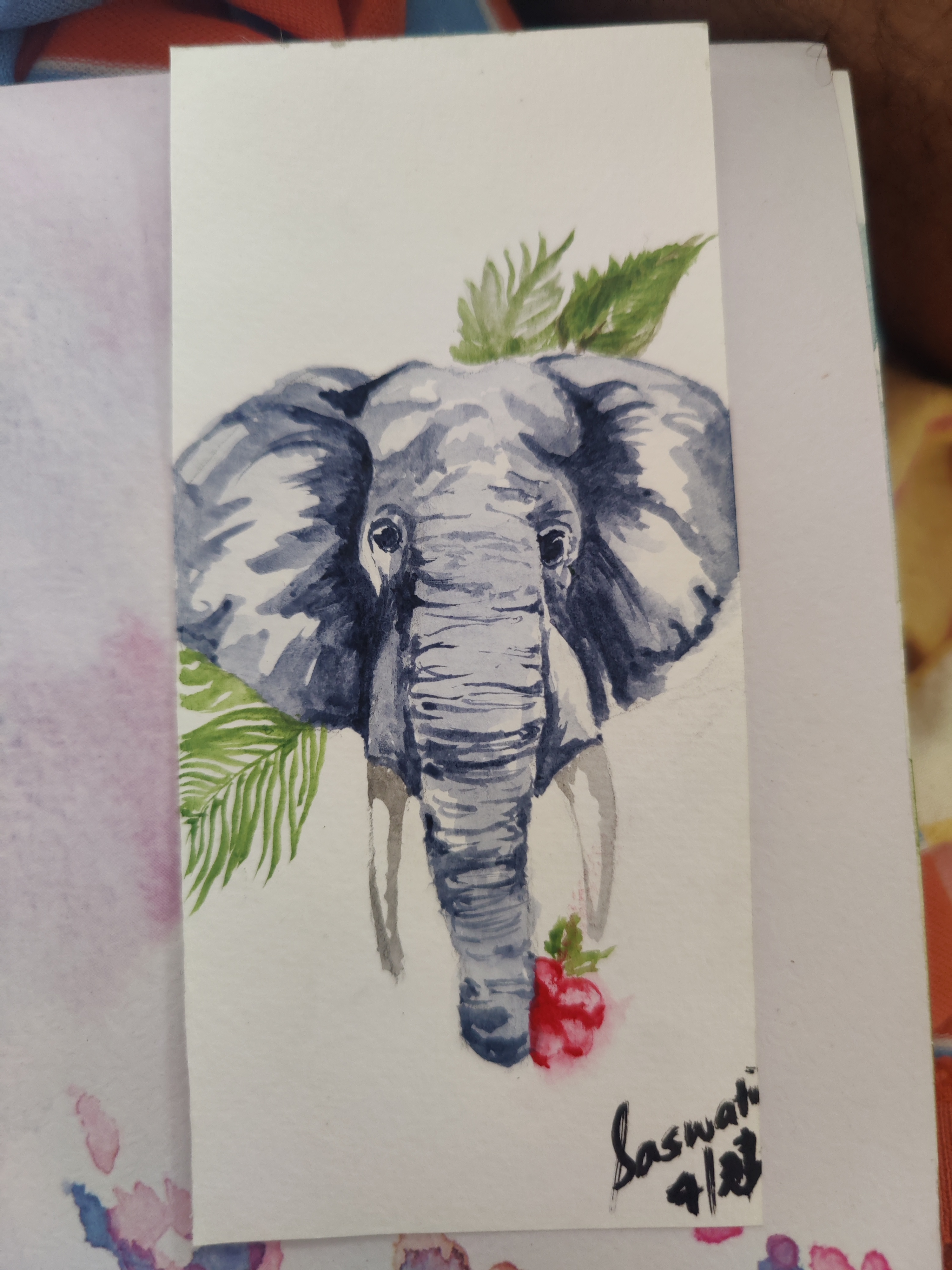
Elephant — watercolor. The slow, careful work of rendering what you actually see.
Trust Your Judgment — and Promote the Judgment Around You
The best work I've done has never been about proving I was the smartest person in the room. It's been about paying close enough attention to understand what the room actually needed.
This isn't a case against ambition. Raphael was extraordinarily ambitious. He ran a workshop of fifty people and completed more commissions than almost any artist of his era. But his ambition was directed outward — toward the work, toward the people he served, toward the synthesis of ideas that were bigger than any one person.
And that's the part I think matters most for this moment. If you have good judgment — and you see good judgment around you — the move isn't to compete with it or hide from it. It's to trust your own and promote what you see in others. The people who make others better, who connect ideas across silos, who build the thing that needs building rather than the thing that will look best on their portfolio — those are the people who end up mattering.
Quiet impact compounds.
I gave this talk to a room of MBAs who, like me, are figuring out how to “sell themselves” in a competitive market. My pitch was simple: you don't have to be Michelangelo. The world has enough of those. Be Raphael. Trust your judgment enough to put it out there — and have faith in the judgment of others.
Brand slide from “Selling Yourself and Your Ideas,” Fall 2025